Mixing two cleaning products "so it cleans more" is one of the most common and most dangerous household mistakes. Some combinations not only don't clean better but release toxic gases within seconds, almost always in small, closed spaces like the bathroom.
And be careful: switching to natural cleaning doesn't eliminate the risk. Vinegar and hydrogen peroxide, two staples of home cleaning, are also part of dangerous mixtures.
The four mixtures to always avoid
1. Bleach and ammonia
When combined they release chloramines, gases that strongly irritate the eyes, throat and lungs. It is the classic bathroom mixture: bleach for the toilet and a glass cleaner or an ammonia-based cleaner for the mirror.
2. Bleach and vinegar (or any acid)
Bleach in contact with an acid releases chlorine gas, very irritating and dangerous in closed spaces. This includes vinegar, lemon juice, citric acid and many commercial descalers. That's why you should never pour a descaler into a toilet where you have just put bleach.
3. Hydrogen peroxide and vinegar
Together they form peracetic acid, a compound that is corrosive to the skin, eyes and mucous membranes when generated in concentration. You can use both in the same home, but separately and rinsing between one and the other. Never in the same spray bottle.
4. Two different commercial cleaners
It is the most treacherous mixture, because you don't know you are making it. Many products "without a bleach smell" contain ammonia or other compounds without indicating it clearly on the front of the package. Never combine two cleaning products without first reading the ingredients of both.
A mixture that isn't dangerous, but doesn't work either
The famous baking soda and vinegar volcano is not toxic, but a good part of its cleaning power is a myth. Baking soda is a base and vinegar an acid: when mixed they neutralize each other. The bubbles are spectacular, but what is left at the end is mostly water with salts. Each one works better on its own.
Simple rules to clean without scares
- One product at a time. If you change products on the same surface, rinse with water between them.
- Always ventilate, especially in the bathroom.
- Never decant products into unlabeled bottles, and much less into drink containers.
- Label your homemade products with the name, the ingredients and the date.
- Store bleach away from the rest of the products, so you don't use them together out of habit.
If you have inhaled gases from a mixture
- Leave the room immediately and get fresh air.
- If you can do so without exposing yourself again, open windows and move away.
- If you have a persistent cough, difficulty breathing, chest pain or intense eye irritation, seek medical attention.
- In Spain, the Toxicology Information Service takes inquiries 24 hours a day at 91 562 04 20. In an emergency, call 112. If you are elsewhere, call your local emergency number or poison control center.
The simplest way to eliminate the risk
In the formulas of Clean Without Harm bleach is not used in any case, precisely to eliminate at the root the most dangerous mixture of all. The book also explains which ingredients are compatible with each other and which are not, so you can make the transition to natural cleaning safely while you use up the conventional products you have at home.
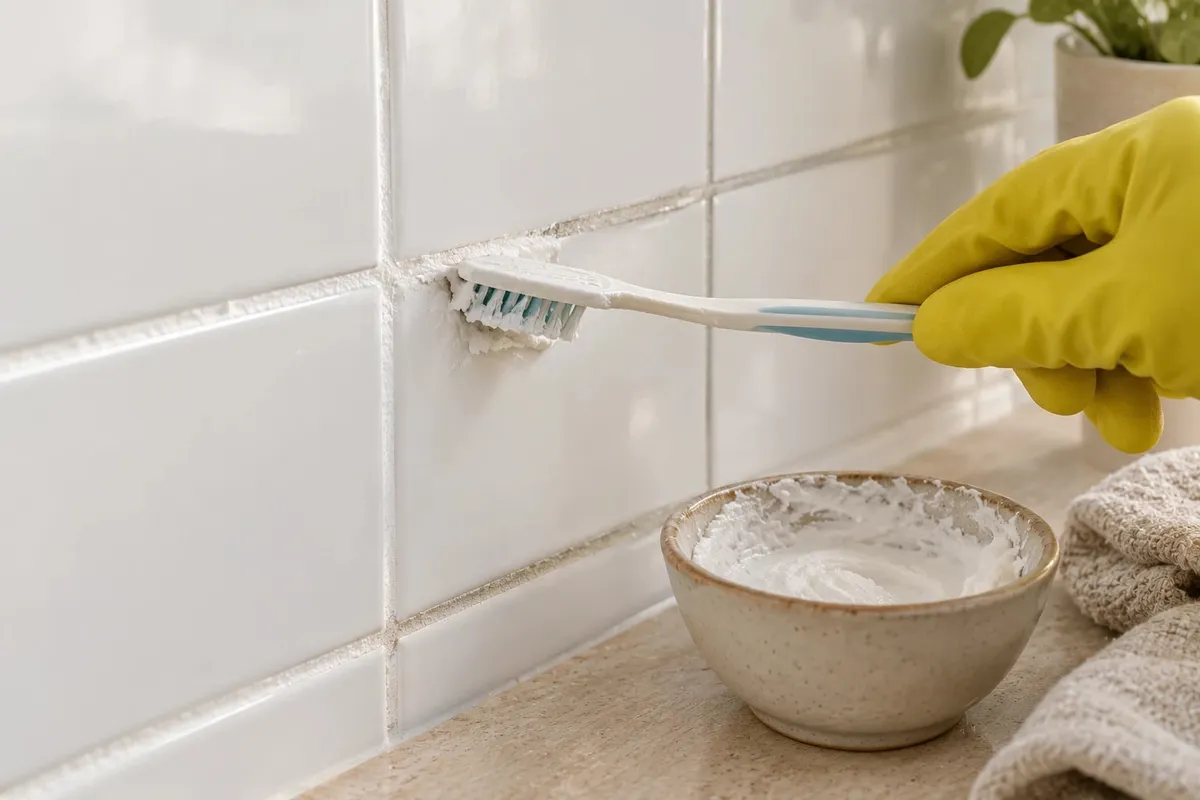
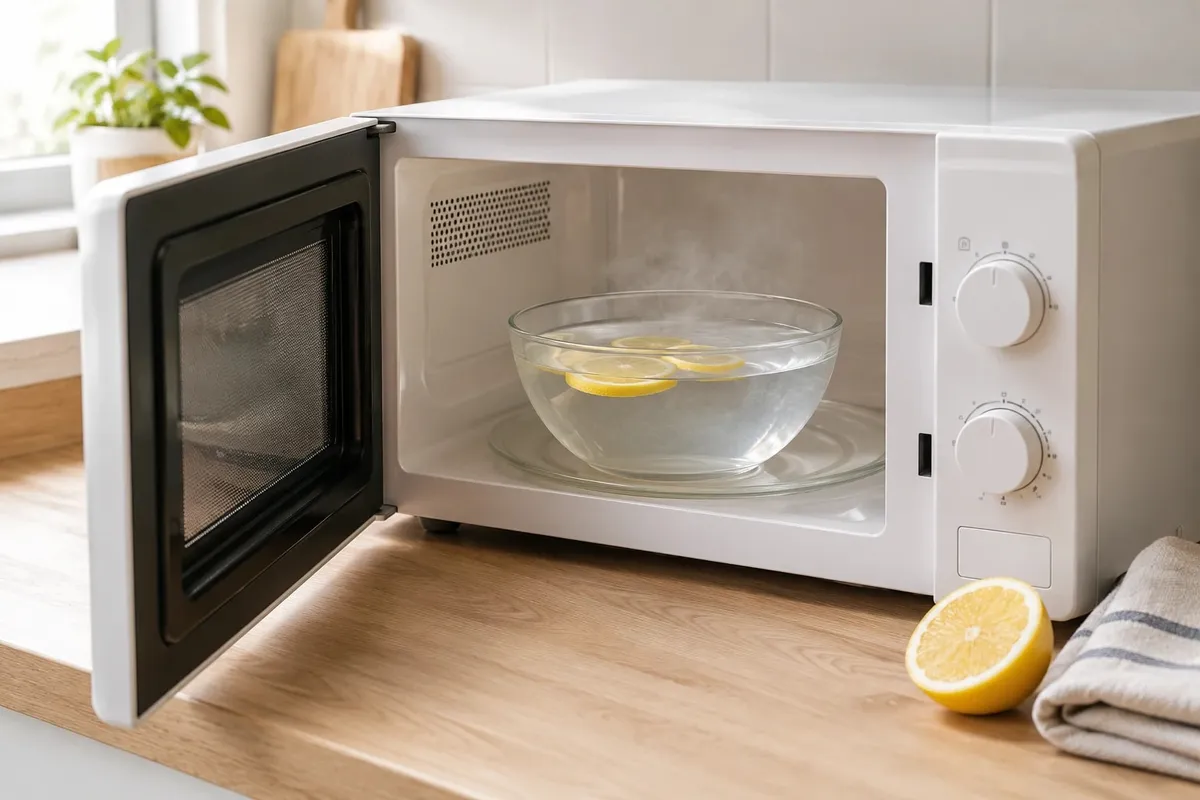
If you want to start, try simple formulas like the steam microwave cleaner or the paste for bathroom grout.
 Save