Philosophy
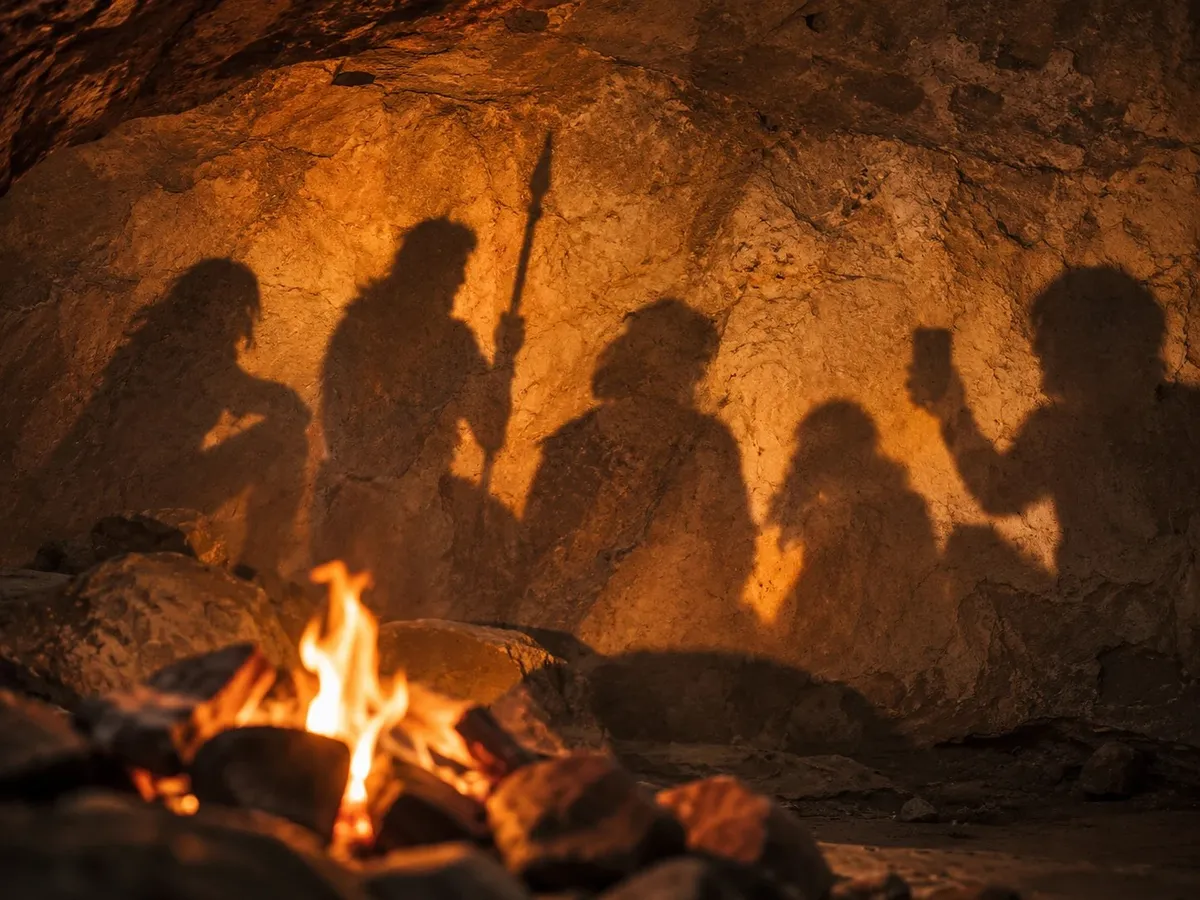
Plato's allegory of the cave in the age of disinformation: how to step out of the shadows
What Plato's allegory of the cave says, what it means and why it describes algorithms and disinformation so well. With a classroom activity.
What Plato's allegory of the cave says, what it means and why it describes algorithms and disinformation so well. With a classroom activity.
What the common good is according to Aristotle and the Stoics, why it clashes with individual success and what the tragedy of the commons is. With classroom dilemmas.
Why talking politics ends in arguments and five philosophical lessons for debating respectfully, from Seneca and Socrates to Mill. With a classroom activity.
What philosophical skepticism is, from Pyrrho to Descartes, how it differs from denialism and why doubt protects against fanaticism. With a classroom activity.
World Philosophy Day is celebrated on November 19, 2026. Five short activities for secondary school based on Epictetus, Seneca, Hierocles and the Skeptics.
What Hierocles' concentric circles are, why they underpin Stoic cosmopolitanism, and a 50-minute activity for Philosophy or Ethics classes.